Star-Spangled Banner
The flag of the United States of America has known many designs over the centuries but is known today as made of thirteen equal horizontal red and white stripes and a blue rectangle in the canton (the “union”) bearing fifty small, white, five-pointed stars arranged in nine horizontal rows, where rows of six stars alternate with rows of five stars.
The 50 stars on the flag represent the 50 states of the United States of America, and the 13 stripes represent the thirteen British colonies that declared independence from the Kingdom of Great Britain, and became the first states in the U.S.
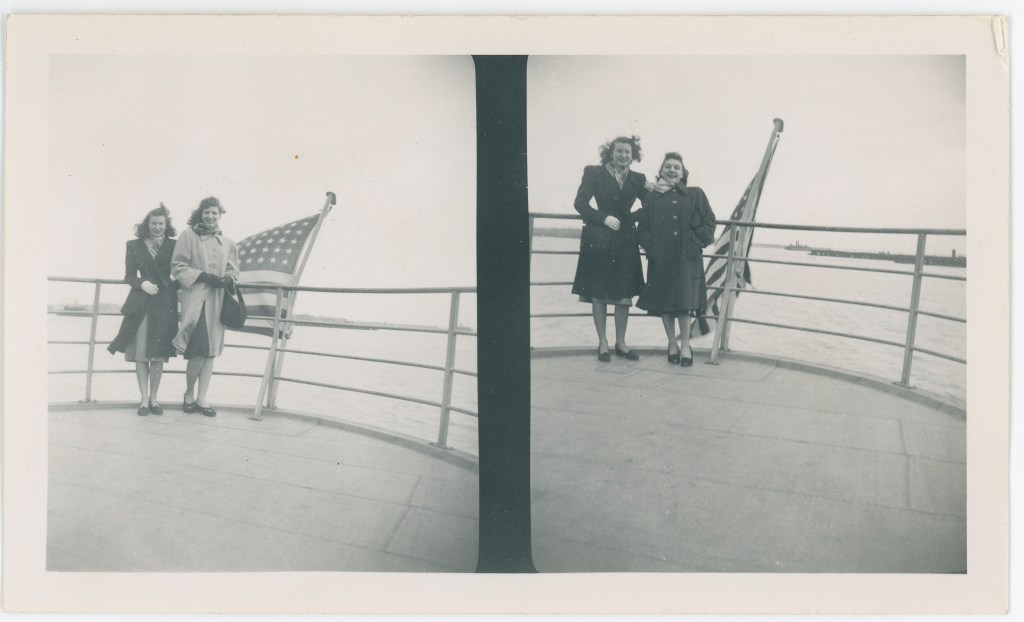
The current design of the U.S. flag is its 27th since 1777. The most recent change, from 49 stars to 50, occurred in 1960 when Hawaii gained statehood (right after Alaska in 1959).
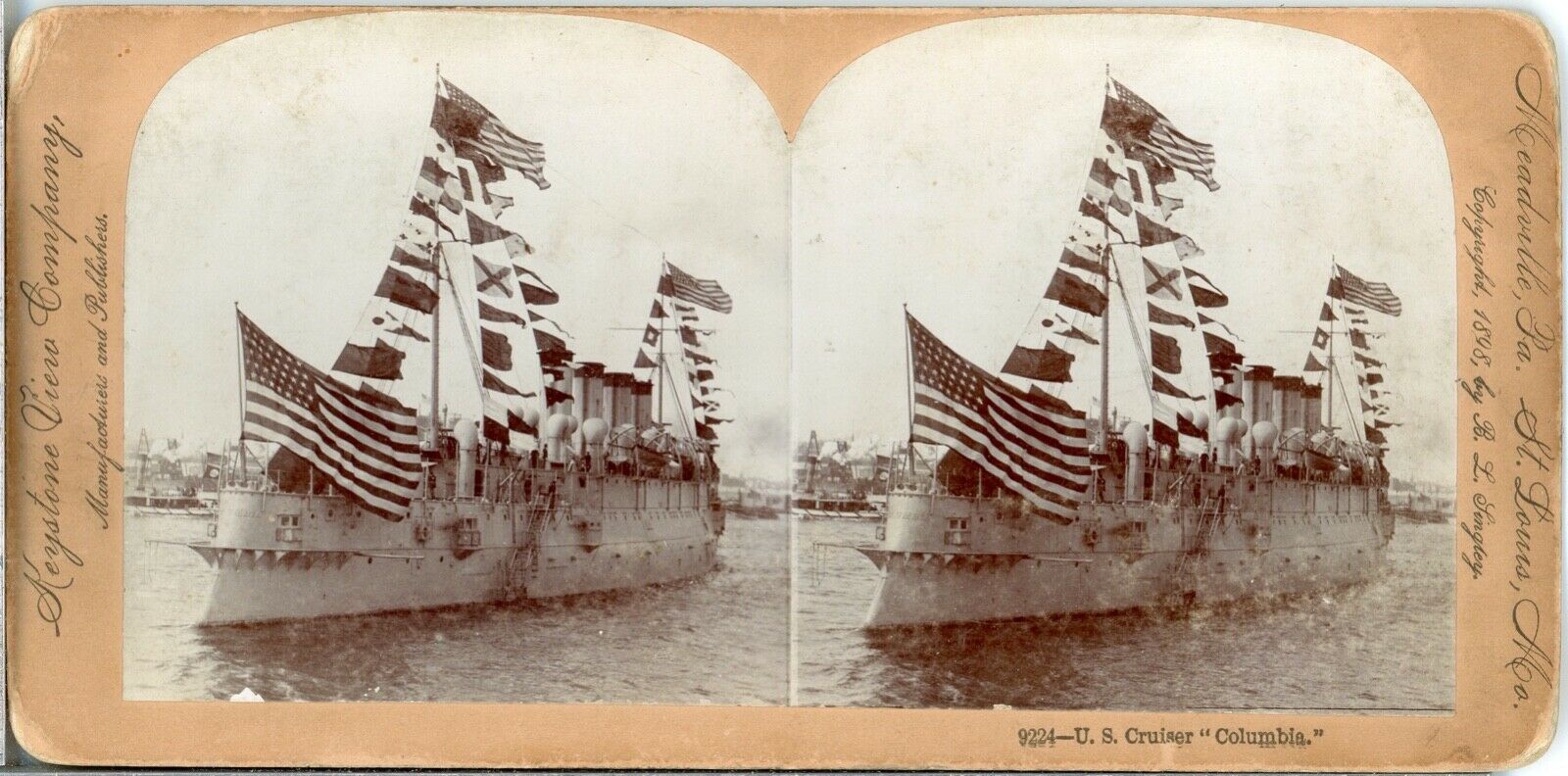
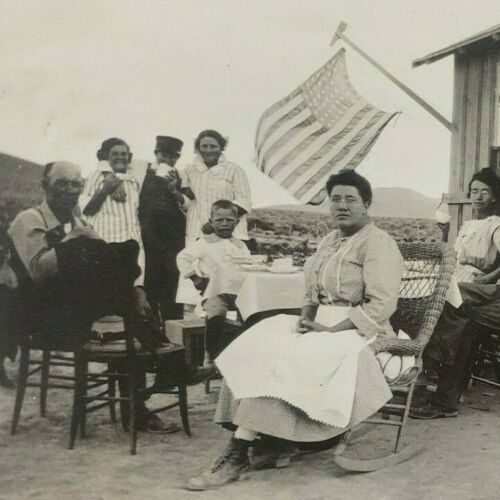
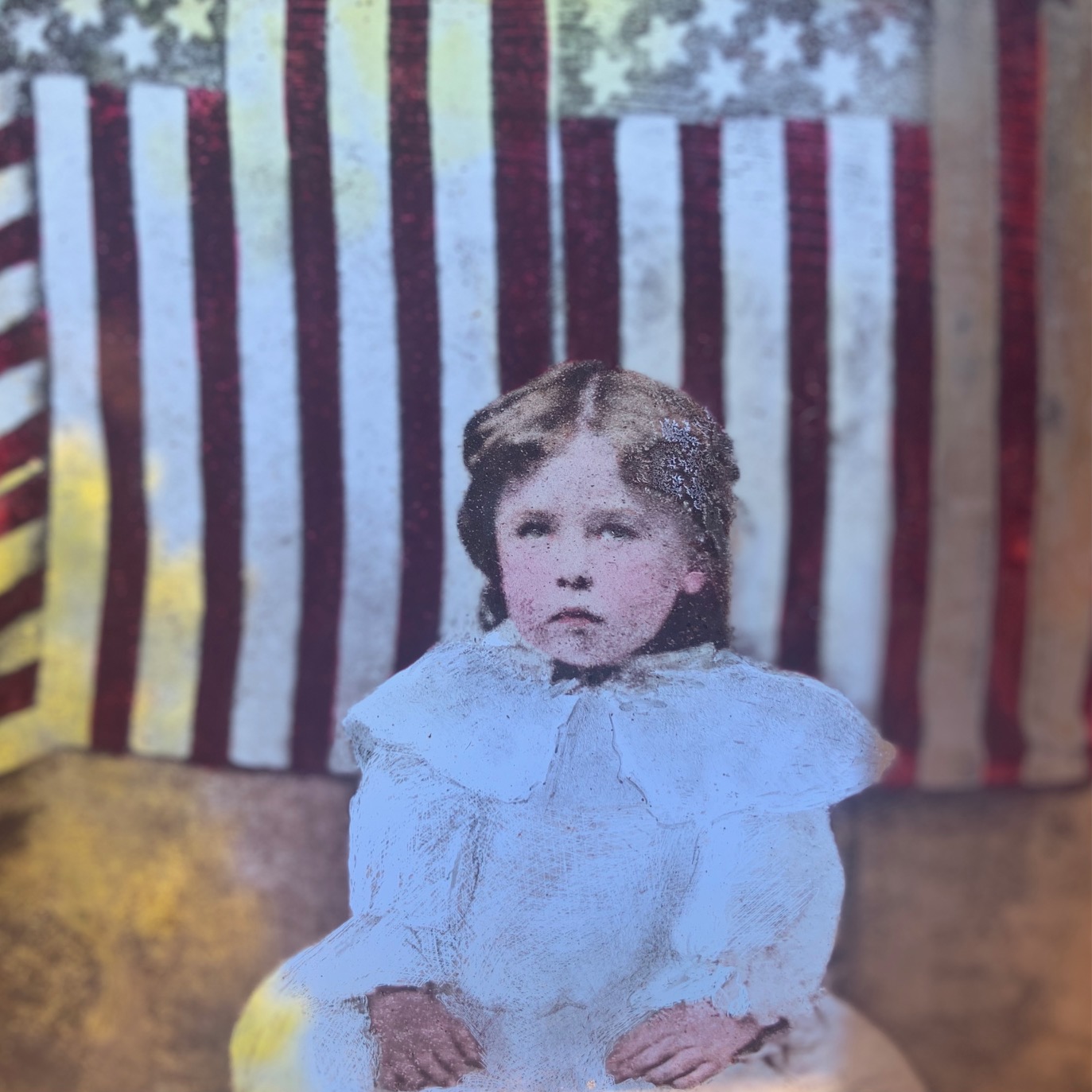
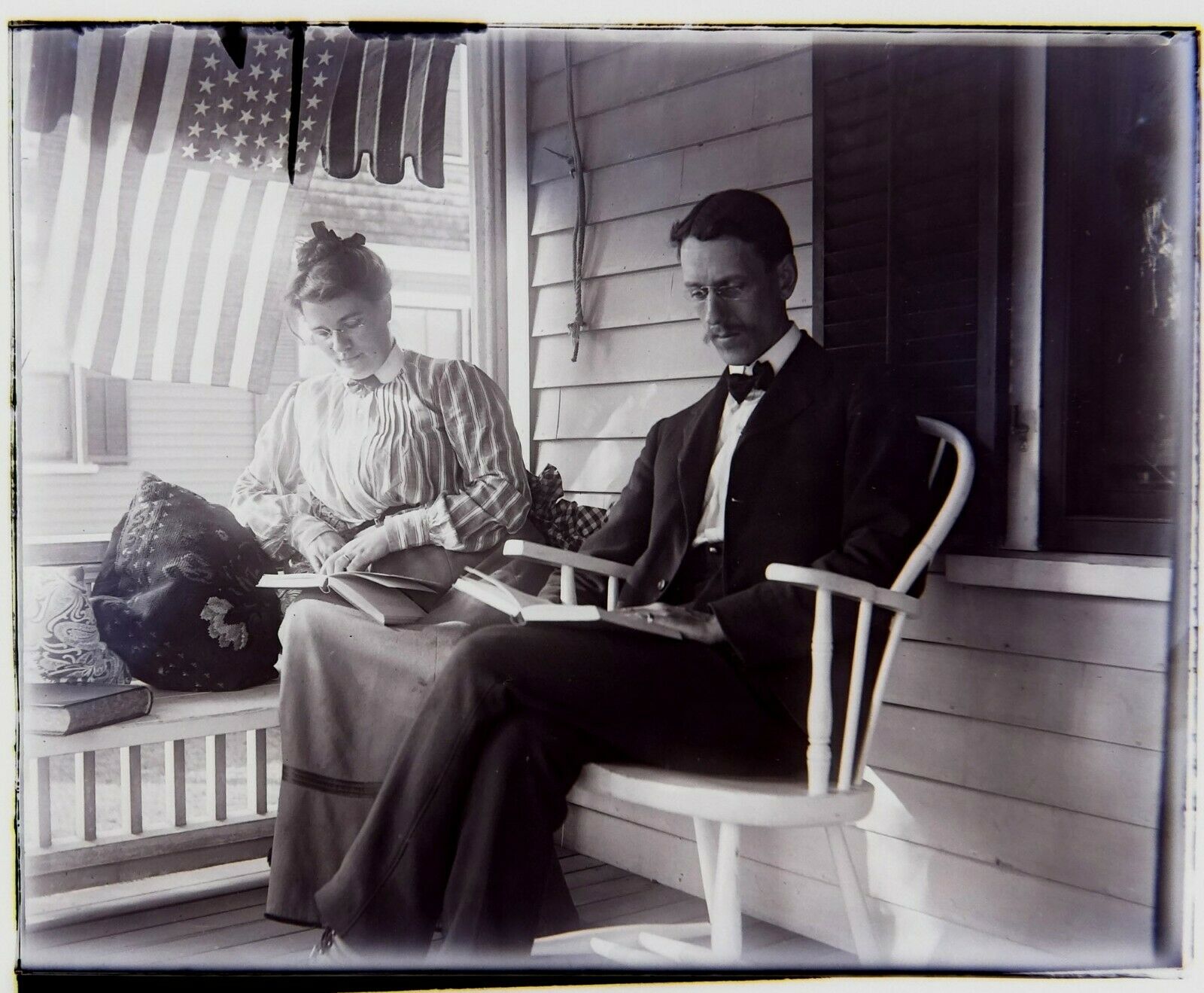
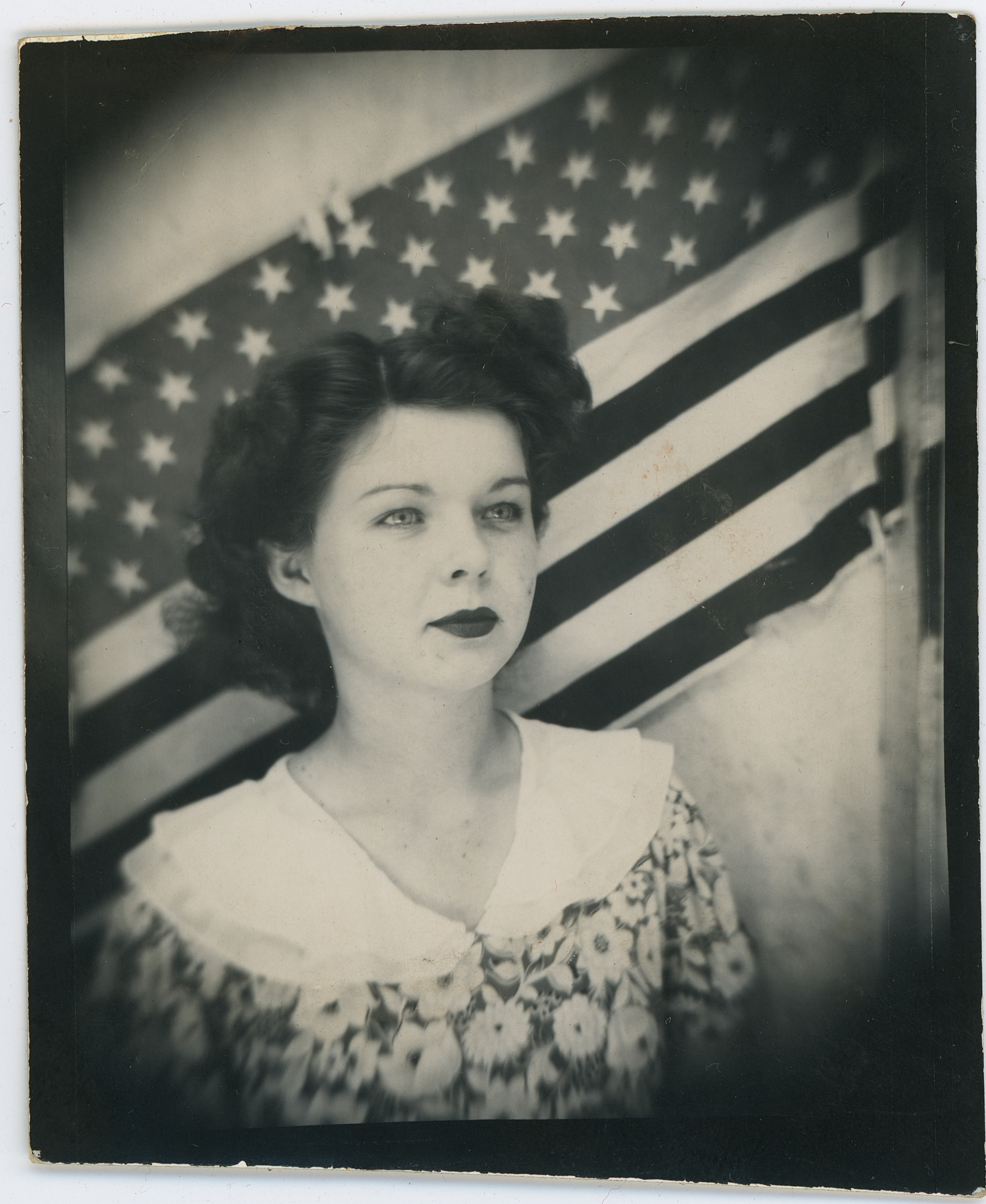
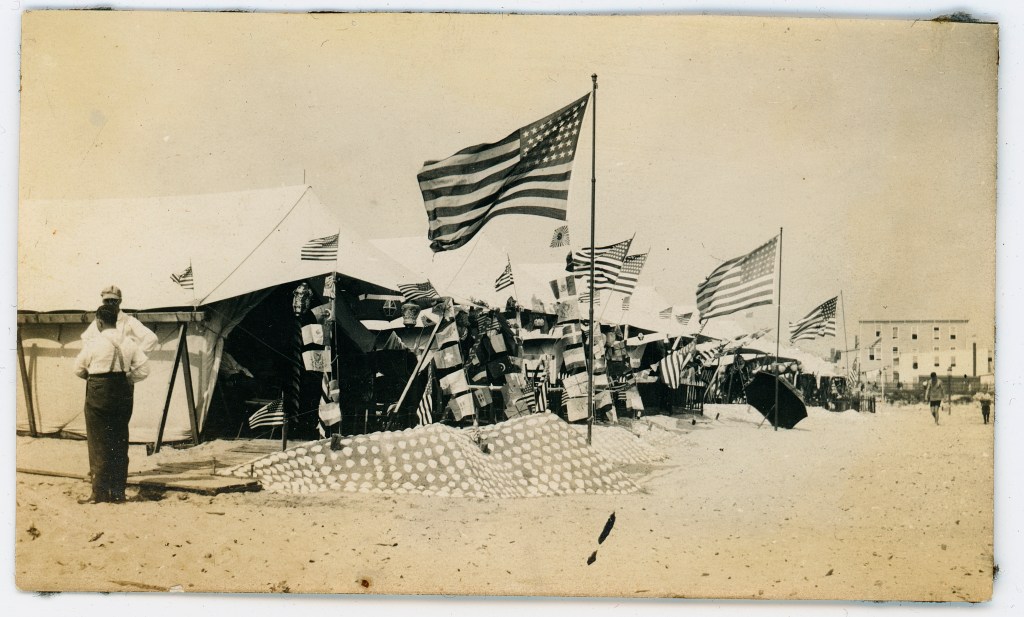
This portfolio starts from the earliest period when photos of the flag were taken until today. The pictures below, dating from the early 1890s to the late 1950s, show the flag with 44 stars (Wyoming), 45 (Utah), 46 (Oklahoma) and 48 stars (New Mexico and Arizona) raised at the occasion of the Fourth of July, for the annual school picture or as backdrop of portraits.













 Liberty Square