Cardomania
In the mid-1800s, a “carte de visite” was a type of small photograph, patented by French photographer André Adolphe Eugène Disdéri, the size of a visiting card and commonly traded among friends and visitors. The carte de visite was usually made of a thin paper photograph mounted on a thicker paper card. The size of a carte de visite is 54.0 mm (2.125 in) × 89 mm (3.5 in) mounted on a card sized 64 mm (2.5 in) × 100 mm (4 in).
In 1854, Disdéri had also patented a method of taking eight separate negatives on a single plate, which reduced production costs. Cartes de visite were so popular that its usage became known as “cardomania” and spread quickly throughout Europe and the rest of the world. The format was in fact an international standard; for the first time, relatives and friends could exchange portraits, knowing they would find a place in the recipient’s family album–whether that album was located in Brooklyn, Berlin or Brazil.
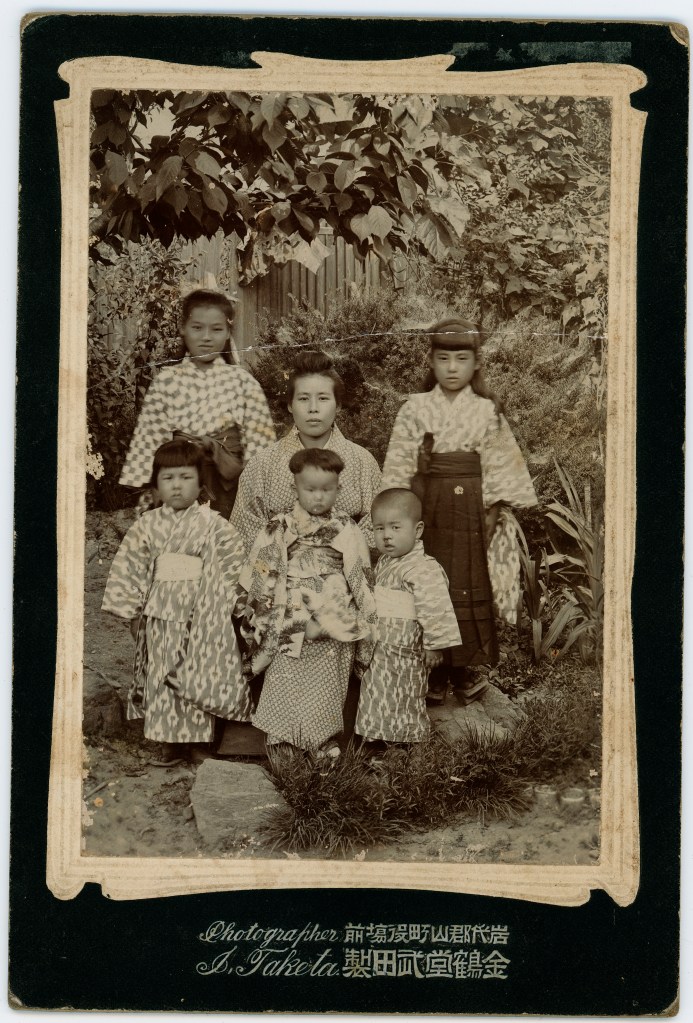
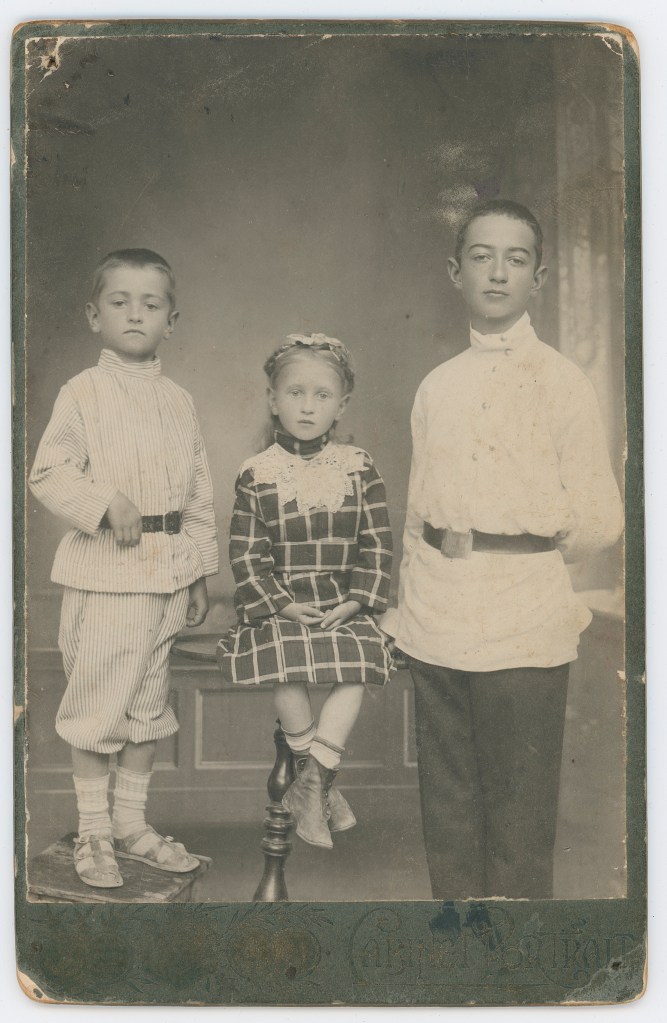
By the early 1870s, cartes de visite were supplanted by “cabinet cards”, which were also usually albumen prints, but larger, mounted on cardboard backs measuring 110 mm (4.5 in) by 170 mm (6.5 in).
This portfolio contains photographs of people from around the world and date back from the second half of the 1800s.
 Liberty Square